The Cold Email That Offers a Finished Website Instead of a Pitch
 By Ryan Shaw. Published . 7 min read.
Key takeaways
- Send the owner a finished sample site, not a list of what you could do. The link does the selling.
- Name one real problem you saw on their current site. Never guess at lost money or lost customers.
- Build the sample only from the business's own facts and photos, and keep it out of search engines.
- Follow CAN-SPAM: honest subject, your real name, a postal address, a working opt-out.
- Follow up once or twice at most, then stop. A no is a no.
On this page
- Why a finished sample beats a pitch
- What the sample must be before you send it
- Subject lines that get opened without lying
- Four example emails
- What never to claim
- CAN-SPAM in one minute
- Follow-up rules
- Keep the sample private and easy to remove
- When the owner replies
- Where SiteRevive fits
- Questions people ask
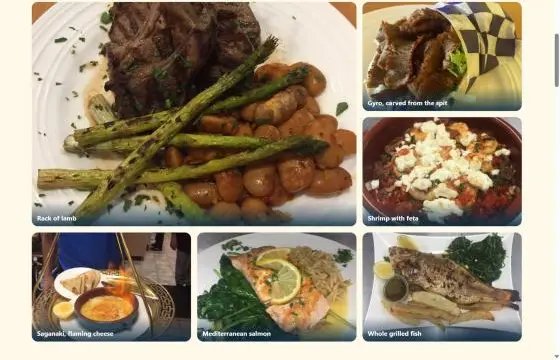
A cold email with a website preview skips the pitch. Instead of telling a business owner what you could build, you build a sample of their new site first and send the link. The owner sees their own business, their own photos and their own phone number on a page that works on a phone. Then they decide. This post gives you four example emails, the subject lines to use, what never to claim, and the rules that keep it legal and kind.
I ran a marketing agency for 15 years and worked with 100+ agency clients. My opinion after all that: owners rarely buy a description. They buy something they can see.
Why a finished sample beats a pitch
A normal pitch asks the owner to imagine. "I can make you a modern, mobile-friendly site." Every web designer says that. The owner has no way to tell you apart.
A sample answers the question before it is asked. It shows the owner:
- What their business looks like on a clean page
- That you looked at their real business, not a list
- That you did the work before asking for anything
The tradeoff is your time. Building a sample for every business on a list used to be too slow. AI changed that. An AI agent can draft a one-page site in minutes, so the sample becomes affordable. The checking is still your job. For the full workflow, see how to start a website agency with AI.
What the sample must be before you send it
A sloppy sample does more harm than no email. Check every one against this list before the link goes out.
| Check | Why it matters |
|---|---|
| Every fact matches the business's own site or Google listing | One wrong phone number and the owner stops trusting the rest |
| No invented reviews, prices, awards or services | Made-up claims about a real business are a fast way to lose trust |
| Photos come from the business's own site, or there are none | Their real food or real work feels like theirs. Stock photos feel like a template |
| The page fits a phone and the call button works | Most owners will open it on a phone |
| It is labeled as a sample | Nobody should mistake it for the official site |
| It carries a noindex rule | Keeps a page they never asked for out of Google |
Google explains how a noindex rule works. It is one meta tag in the page head. One catch from that page: if robots.txt blocks the page, Google never sees the noindex, and the page can still appear in results.
On photos, our post on real photos vs AI images on small business websites goes deeper. The short version: an owner recognizes their own dining room. They do not recognize a stock chef.
Subject lines that get opened without lying
The FTC's CAN-SPAM guide says a subject line must not be deceptive and must match what is in the email. That rules out fake "Re:" threads and fake order notices. In my experience, honest subject lines also read better to a busy owner.
| Use | Avoid |
|---|---|
| A new site for [Business] | Re: your order |
| [Business] on a phone | Urgent: website issue |
| I made [Business] a sample page | You are losing customers |
| Quick idea for [Business] | Final notice |
Keep it short. Use the business name. Say what is inside.
Four example emails
Each one names one real problem, links the sample and asks one question. Swap the brackets for real details you checked. Never send one where the problem is a guess.
1. The site does not fit a phone
Subject: [Business] on a phone

Hi [Owner name or "there"],

I opened [Business]'s website on my phone and had to pinch and zoom to read the menu.

So I made a sample of a new page that fits a phone. It uses your own photos and your hours from Google:
[link to sample]

Is this something you'd want to talk about? If not, no problem at all.

[Your name]
[Your postal address]
Reply "stop" and I won't write again.
2. The browser says "Not secure"
Chrome has marked every HTTP page as "Not secure" since Chrome 68 in July 2018. Owners often do not know, because they never look at their own site.
Subject: A new site for [Business]

Hi [Owner name or "there"],

When I visit [Business]'s website, my browser shows a "Not secure" warning next to the address.

I built a sample of a secure, phone-friendly page with your services and phone number:
[link to sample]

Want me to send a few details on how it would work?

[Your name]
[Your postal address]
Reply "stop" and I won't write again.
3. The site looks out of date
Subject: Quick idea for [Business]

Hi [Owner name or "there"],

Your reviews on Google are great. Your website footer still says [year], and the hours there don't match Google.

I made a sample page with your current hours and a tap-to-call button:
[link to sample]

Worth a look? Happy to change anything.

[Your name]
[Your postal address]
Reply "stop" and I won't write again.
4. There is no website at all
Only use this one when you have an email address from a source the business itself publishes. Never guess an address.
Subject: I made [Business] a sample page

Hi [Owner name or "there"],

I couldn't find a website for [Business], only the Google listing.

So I put one together as a sample, with your reviews rating, hours and phone number:
[link to sample]

Would a site like this be useful to you?

[Your name]
[Your postal address]
Reply "stop" and I won't write again.
For more wording ideas, see our guide to the web design cold email.
What never to claim
Some lines feel persuasive and are simply untrue. Cut them every time.
- "Your website is costing you thousands." You cannot know that.
- "This will get you more customers." Nobody can promise that.
- "You'll rank first on Google." Nobody controls rankings.
- "I'm a local customer." Not unless you are.
- "Only a few spots left." Fake scarcity is a pressure trick.
The whole email is what you saw, the sample you made and one question.
CAN-SPAM in one minute
U.S. law covers business email too. The FTC says the law makes no exception for business-to-business email. The main rules:
- Accurate "From," "To" and "Reply-To" details.
- A subject line that matches the email.
- A clear note that the message is an offer. The law is flexible on how you say it.
- A valid physical postal address. A registered PO box or private mailbox counts.
- A clear way to opt out, honored within 10 business days.
Penalties apply per email, so this is not optional. Our guide on whether cold email is legal for web designers covers it in more depth. It is general information, not legal advice.
Follow-up rules
Most owners will not reply to the first email. That is normal. A short follow-up is fair. A long chase is not.
My rules, which are opinion:
- One follow-up, a few days later. A second at most.
- Each follow-up adds one small new thing, like a phone screenshot of the sample.
- Stop the moment they say no or "stop." Add them to your do-not-contact list that day.
- Never follow up by a channel they did not give you.
Our guide has three short follow-up email templates you can adapt.
Keep the sample private and easy to remove
The sample is about a real business that never asked for it. Treat it with care.
- Host it at an unlisted address, not a public gallery.
- Add the noindex rule.
- Do not use the business name in your own ads or portfolio unless they become a client and agree.
- Take it down the day the owner asks.
- The photos belong to the owner. Use them only for the sample you sent them.
When the owner replies
A reply is a conversation, not a sale. Answer their question, short and plain. If they want to see it together, our guide on how to show a website preview to a business owner walks through it. For the eight replies you will hear most, see what to say when a business owner replies.
Where SiteRevive fits
Writing these emails is easy. Finding the right businesses, checking their sites and building a sample for each one is the slow part.
SiteRevive finds local U.S. businesses with old or missing websites and checks each site for real problems, like a page that does not fit a phone or a "Not secure" warning. It keeps an email only if the business publishes it on its own website. Then you press Copy prompt and paste it into your own AI. Your AI builds each sample and writes a short email like the ones above. The email goes from your own account, or waits as a draft for you to read. SiteRevive's servers never send email, and it does not promise replies or sales.
Plans start at $97 a month, with a 7-day money-back guarantee, no questions asked. See the SiteRevive pricing page.
You can do all of this by hand too. Start with five businesses, five samples and five honest emails. Read each one before it goes.
Related: the rules that keep a free sample fair, a restaurant-specific plan, and what to do when a business has no email address.
Questions people ask
Should a cold email include a website mockup or a live link?
A link to a working sample page is easier for an owner than an attached image. They can open it on their phone and tap the buttons. Keep the page out of search engines with a noindex rule.
Is it OK to build a sample site before the owner asks?
Many designers do it, and it is a common way to pitch. Use only facts and photos the business already shows in public, label the page as a sample, keep it unlisted, and take it down if the owner asks.
How long should a website pitch email be?
Short enough to read on a phone in one screen. In my opinion, under about 80 words: one real problem, the link, one question. Long pitches get skimmed or skipped.
How many times should I follow up?
Once or twice, a few days apart, and then stop. If the owner says no or asks you to stop, add them to your do-not-contact list that day.
Sources
- FTC: CAN-SPAM Act, A Compliance Guide for Business, read October 21, 2026.
- Google Search Central: Block search indexing with noindex, read October 21, 2026.
- Chromium Blog: A secure web is here to stay (Feb 8, 2018), read October 21, 2026.
Ryan Shaw
Ryan Shaw makes SiteRevive. He ran a marketing agency for 15 years and worked with 100+ agency clients. He has generated $100M+ in online sales, most of it through agency clients, and has helped 15,000+ marketers with software, courses and coaching.
Earnings disclaimer. SiteRevive and this article do not promise income, sales or replies. What you earn, if anything, depends on your work, your market and your offer. Results vary and some people earn nothing.